
*
Let’s be honest: why do we spend so much time designing a nursery that a child will outgrow before they even learn to tie their shoes?
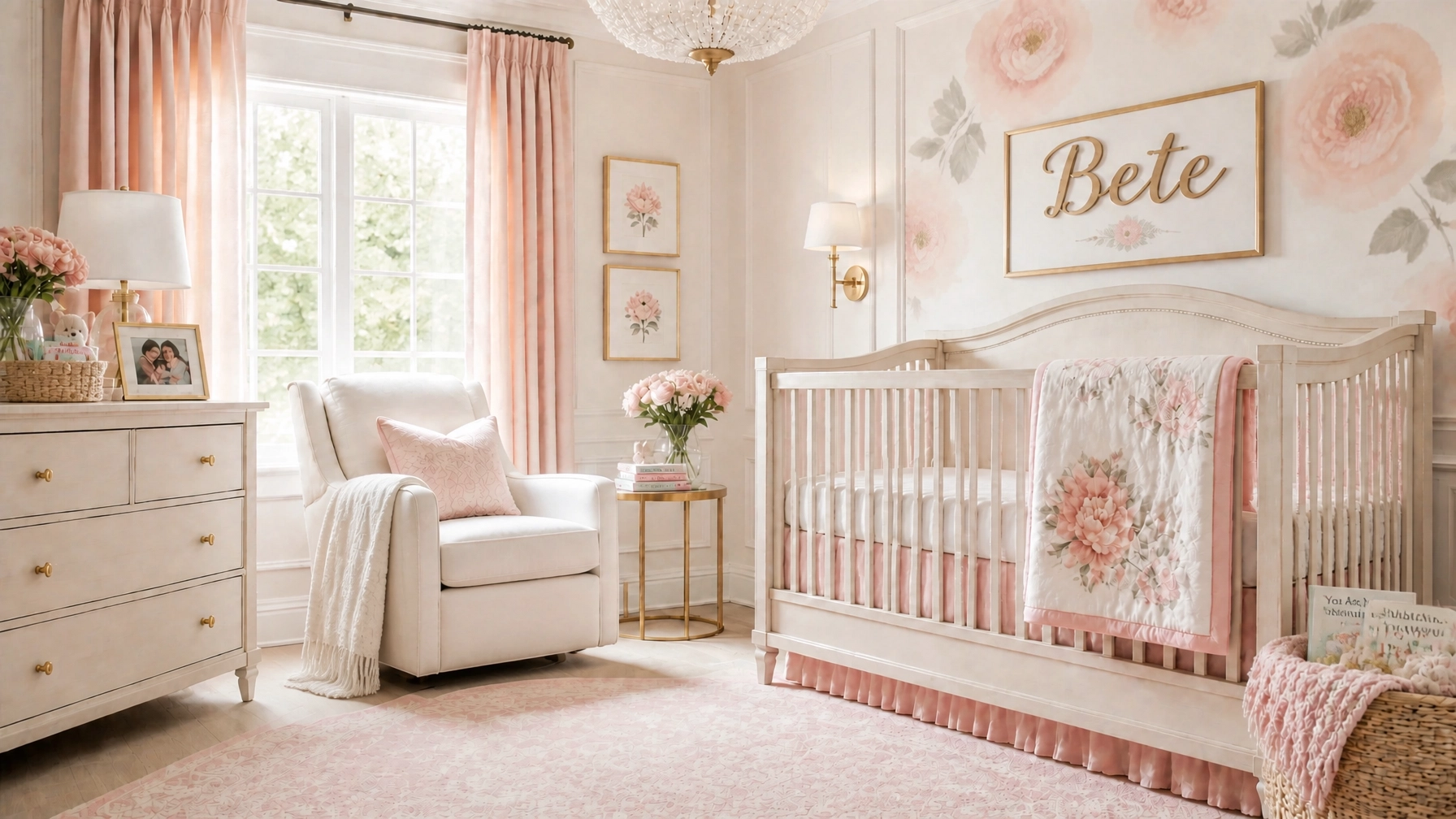
For years, the industry has pushed the "disposable" nursery, pastel plastics, flimsy cribs, and themes so specific they feel dated the moment the baby hits their first milestone. But at Type A Decor, we believe luxury is a mindset, not a price point, and certainly not a temporary phase. As we look ahead to the 2026 nursery trends, the shift is clear: parents are no longer looking for "baby rooms." They are looking for sophisticated, intentional spaces that reflect the home’s overall aesthetic and, more importantly, evolve as the child does.
If you’re ready to move past the primary colors and embrace a design that stays relevant from the first diaper change to the first day of school, you’re in the right place. Here is how I’m guiding my clients to create high-end nurseries that actually last.
1. Beyond the "Theme"
Gone are the days of the all-encompassing "nautical" or "jungle" nursery. In 2026, we are seeing a move toward mood-based design. Instead of a theme, we’re choosing a vibe.
Are we going for "Warm Organic Minimalism"? "Preppy Traditional"? Or perhaps a "Curated Vintage" look? By focusing on a mood rather than a motif, you create a foundation that doesn't scream "nursery." This allows the room to flow seamlessly with the rest of your home.
Here is your big takeaway: If a piece of furniture wouldn't look good in another room of your house, it probably doesn't belong in your nursery. I always remind my clients at Type A Decor that the best nurseries are simply beautiful rooms that happen to have a crib in them.
2. Investing in "Grow-With-Me" Furniture
When I source for clients, I look for pieces with longevity. You want to invest in brands that prioritize craftsmanship and timeless silhouettes.
- The Crib: Look at brands like Nursery Works for sculptural, statement pieces or Kalon Studios for heirloom-quality hardwood. These aren't just cribs; they are works of art. Many of these, like the Stokke Sleepi, are designed to convert into toddler beds and even chairs or full-sized beds later.
- The Dresser: Skip the "changing table." Instead, source a high-end dresser from a brand like Oeuf or RH Baby & Child. Simply add a removable changing topper. Once the diaper days are over, you’re left with a gorgeous piece of furniture that can stay with them into their teens. That said, a dedicated, high-end changing table can also be a beautiful and functional statement piece when you want the nursery to feel especially polished and intentional.
- The Glider: Comfort is non-negotiable. I am currently loving the performance fabrics and sleek, rounded forms from Nurture&. A high-end glider shouldn't look like a piece of hospital equipment; it should look like a chic armchair you’d happily put in your living room.

*
3. The 2026 Palette: Earthbound and Grounded
We are officially saying goodbye to stark whites and cool grays. The 2026 interior design trends are all about warmth. We’re seeing a rise in earthy, nature-inspired tones that feel grounded and calming.
Think cocoa browns, eucalyptus greens, and soft, buttery khakis. I often recommend Farrow & Ball for their depth of pigment: shades like French Gray or Setting Plaster create a sophisticated backdrop that feels cozy for a baby but sophisticated for a growing child.
Smart design tip: Use wallpaper to add character without being "kiddy." English wallpaper houses like Schumacher or Sanderson offer stunning botanical and woodland prints that feel whimsical yet refined. A well-placed accent wall can transform the entire energy of the space. Check out more on our latest trend reports for more color inspiration.
4. Layering Textures for "Lived-In" Luxury
A room that is too perfect feels cold. A high-end nursery should feel collected and comfortable. This is where layering comes in.
- Rugs: Start with a high-quality wool or jute rug. It’s durable, natural, and adds immediate warmth.
- Textiles: Mix your linens. Pair a bouclé glider with a silk-trimmed throw and organic cotton bedding.
- Window Treatments: This is where many people fail. Custom window treatments are a must for both light control (hello, nap time!) and style. I always suggest a layered approach: a blackout Roman shade paired with lush, floor-to-ceiling drapery.

*
5. Curating the Details
The difference between a room that looks "decorated" and a room that looks "designed" is in the details. At Type A Decor, we specialize in finding those unique, trade-only accessories that give a room soul.
Don't just buy a "nursery art" set. Instead, frame vintage sketches, use a silver tray for baby essentials, or display a collection of antique storybooks. These personal touches make the space feel deeply personal rather than store-bought.
Safety note that should never be skipped: NEVER place shelving, heavy art, or wall decor directly above or within reach of a changing table or crib. As babies grow, they will reach for anything within their grasp, so keep those areas clear for total peace of mind.
Rhetorical question for you: Does the room tell a story? Your child’s nursery is the first chapter of their life: make sure it’s a beautiful one.

*
6. Don’t Overlook the Ceiling Fan
This is one of those practical details that deserves more attention. A nursery should feel beautiful, yes, but it should also support better day-to-day living in simple, smart ways.
One often-cited study found that using a fan in a baby’s room was associated with a reduction in SIDS risk of over 70%, likely because better air circulation can help reduce CO2 buildup around a baby’s nose. That does not mean you need to panic or turn the nursery into a wind tunnel. It simply means airflow matters, and it is worth thinking about early in the design process.
Here is the practical takeaway: a ceiling fan with an integrated light fixture is usually the most functional choice. It handles two jobs at once, helps keep the room comfortable, and avoids the need to crowd the nursery with extra equipment. That said, any fan can help. If a ceiling fan is not possible, a well-placed portable or tower fan is still a smart addition.
Worried a fan will ruin the look of the room? It doesn’t have to. I always remind my clients that function and style should never be fighting each other. Design-forward brands like Minka Aire and Big Ass Fans offer sleek, elevated options that feel far more sophisticated than the clunky builder-grade versions most people picture.
✔ Choose a fan that works with the room’s overall style
✔ Prioritize quiet performance for naps and nighttime routines
✔ If possible, opt for a ceiling fan/light combo for the most practical setup
A high-end nursery should feel serene, layered, and thoughtful. That includes the airflow.
7. The Nursery Nook: Small Space Solutions
Not everyone has a dedicated nursery. And honestly? That does not mean you have to settle for a cramped, afterthought setup.
For apartment dwellers or anyone working with an average-sized bedroom, I always recommend thinking in zones. A high-end nursery nook should feel intentional, not improvised. That means the crib, changing area, and feeding chair should visually relate to the rest of the bedroom instead of looking like they were dropped in overnight during a 2 a.m. panic scroll.
Here is what should always come first: layout. I want the nursery corner to feel calm, functional, and easy to move through, especially in the middle of the night. Start by placing the crib in the quietest corner of the room, ideally near natural light but away from heavy traffic paths. Then anchor that zone with one or two elevated pieces like a tailored glider, a beautiful changing table or dresser, and a soft rug to define the footprint.
✔ Keep the palette cohesive with the rest of the bedroom
✔ Use a rug, wallpaper, or lighting to subtly define the nursery zone
✔ Choose furniture that feels beautiful enough for a grown-up bedroom too
✔ Add closed storage so essentials stay easy to reach but visually tidy
✔ Keep a diaper pail, like a Diaper Genie, within arm’s reach but tucked neatly beside the changing area or crib so it stays practical without interrupting the aesthetic
If you are short on square footage, this is where being selective saves you time, money, and stress. You do not need more stuff. You need smarter pieces. At Type A Decor, I help clients create nursery nooks that feel warm, polished, and fully integrated into the home, proving once again that luxury is a mindset, not a price point.
Why Work with a Professional?
Designing a nursery that "grows" is harder than it looks. It requires a deep understanding of space planning, material durability, and access to resources that aren't available at big-box retailers.
Through Type A Decor, I give my clients access to luxury Italian furniture, custom American-made upholstery, and boutique artisan makers. We eliminate the decision fatigue and ensure that every dollar you spend is an investment in your home’s future. Whether you need a full-service transformation or a quick virtual consultation, we help you navigate the thousands of options to find the perfect fit for your lifestyle. Explore our decorating tips to see how we tackle other areas of the home.
Final Thought
Your home should be a reflection of who you are and how you want to live. Creating a high-end nursery isn't about being "precious": it's about being intentional. By choosing quality over quantity and timelessness over trends, you’re creating a sanctuary that will support your child for years to come.

*
Ready to transform your space?
Join our community for monthly design inspiration, expert tips, and exclusive trade-only insights. Sign up for the Type A Decor newsletter here and let’s start telling your home’s story.
Some images in this article are AI-generated and are intended to illustrate design ideas and inspiration.


Design by Wonderlik Webdesign
© 2026 Type A Consultants LLC | DBA: Type A Decor
Privacy statement
Terms & conditions
